
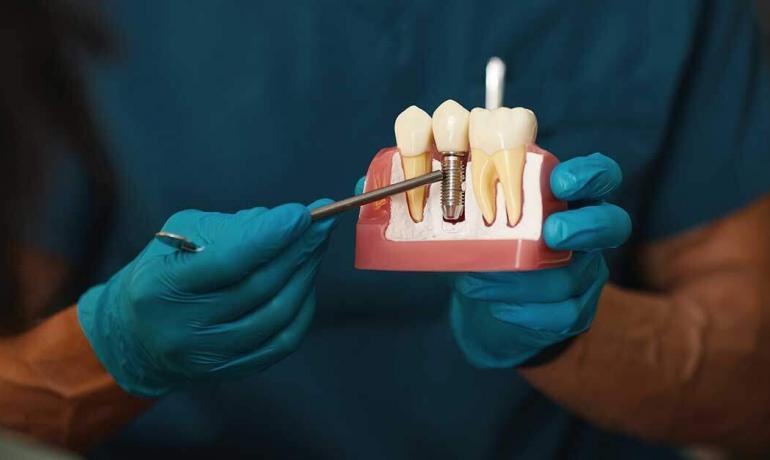
Many people believe that losing a tooth is only a concern if it affects their smile. If the gap is not immediately visible, it may seem harmless to delay treatment. However, the consequences of leaving a missing tooth untreated can impact oral health, comfort, and confidence over time. At Creekside Dental, patients often learn that tooth replacement plays a vital role in preserving long-term dental health.
Understanding the risks of not replacing a missing tooth can help you make an informed decision about your care.
Jawbone Deterioration After Tooth Loss
Healthy jawbone relies on stimulation from tooth roots during chewing. When a tooth is lost, that stimulation stops, and the bone in that area begins to shrink. This process can start sooner than many patients expect.
Bone loss can compromise the stability of nearby teeth and limit future treatment options. Patients in Buffalo Grove, IL who wait several years to replace a missing tooth may require additional procedures to restore adequate bone support before replacement is possible.
Tooth Movement and Bite Disruption
Teeth are designed to remain in alignment by supporting one another. When a tooth is missing, neighboring teeth can shift into the empty space. The opposing tooth may also move out of position.
These changes can lead to bite problems that place uneven pressure on remaining teeth. Over time, this can cause enamel wear, fractures, jaw strain, and discomfort when chewing. Bite issues are often progressive and become more difficult to correct the longer they are ignored.
Chewing Challenges and Nutritional Effects
A missing tooth can reduce chewing efficiency, particularly when chewing tougher or fibrous foods. Many patients subconsciously avoid foods that are difficult to chew, which may limit nutritional variety.
Over time, these dietary changes can impact digestion and overall health. Patients who replace missing teeth often report improved comfort when eating and greater freedom in food choices.
Speech Changes and Self-Confidence
Teeth play a key role in proper pronunciation. Missing teeth can affect airflow and tongue placement, leading to subtle or noticeable speech changes. Even small speech issues can impact confidence in social or professional interactions.
Restoring missing teeth can help maintain clear speech and improve overall confidence.
Higher Risk of Gum Disease and Decay
Gaps in the smile can trap food and plaque more easily. Cleaning these areas can be difficult, increasing the risk of gum disease and decay in adjacent teeth.
As gum disease progresses, it can damage the bone and tissues supporting nearby teeth. This increases the likelihood of further tooth loss, creating a cycle that can be difficult to stop without intervention.
Facial Appearance and Aging
Bone loss associated with missing teeth can affect facial structure. Patients may notice sunken cheeks, thinning lips, or deeper wrinkles around the mouth.
These changes can give the face a prematurely aged appearance. Replacing missing teeth helps support facial structure and preserve a natural, youthful look.
Benefits of Timely Tooth Replacement
Replacing a missing tooth early can prevent many complications. Treatment options include dental implants, bridges, and partial dentures. Dental implants are often favored because they help maintain bone health by replacing the tooth root as well as the visible crown.
A consultation can help determine which option best fits your oral health needs and your long-term goals.
Final Thoughts
Leaving a missing tooth untreated can affect more than just your smile. Bone loss, shifting teeth, bite problems, and facial changes are all possible consequences. Patients in Buffalo Grove, IL who take action early often avoid more complex treatment later.
If you are missing a tooth, a visit to Creekside Dental can help you understand your options and protect your long-term oral health.
